Physical Address
304 North Cardinal St.
Dorchester Center, MA 02124
Physical Address
304 North Cardinal St.
Dorchester Center, MA 02124

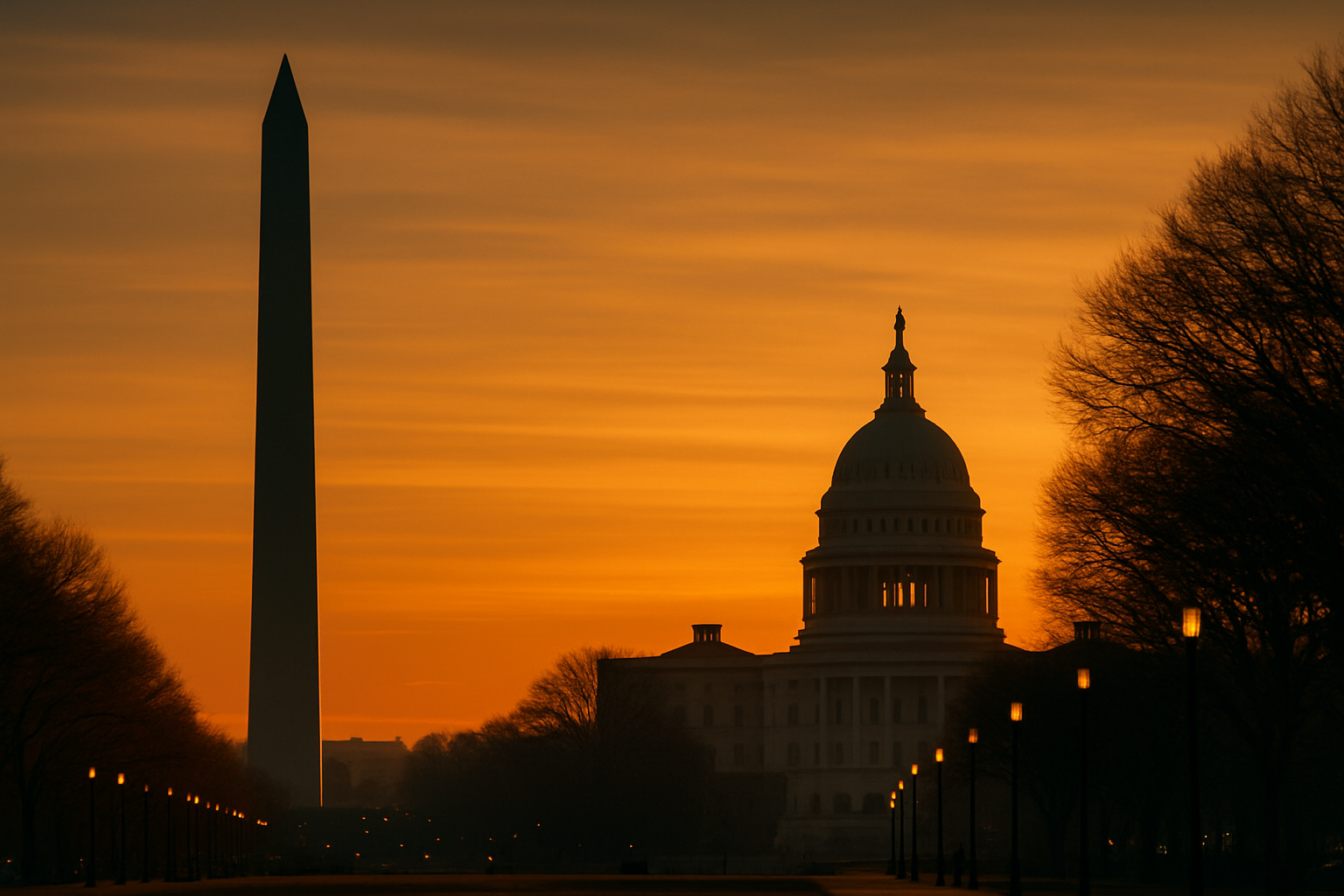
WASHINGTON — After six weeks of paralysis, members of the U.S. House of Representatives returned to a weary capital on Tuesday, determined to end the longest government shutdown in the nation’s history.
The mood was part fatigue, part defiance. Many lawmakers arrived by carpool or motorcycle after nearly 1,200 flights were canceled nationwide due to the ongoing disruption. Representative Derrick Van Orden of Wisconsin filmed himself on the road, declaring, “It’s going to be a little chilly, but I will do my duty.”
The House is expected to vote Wednesday afternoon on a bipartisan compromise that would restore federal funding and reopen shuttered agencies. The Senate approved the measure late Monday, and House Speaker Mike Johnson has indicated confidence it will pass his chamber as well. President Donald Trump said he would sign the bill promptly. “We’re opening up our country. Should have never been closed,” he told reporters at a Veterans Day ceremony in Arlington, Virginia.
The deal would extend government funding through January 30, offering only a temporary reprieve. It effectively resets the clock on Washington’s fiscal standoff while leaving the federal government on a course of adding to its $38 trillion national debt.
For millions of Americans, the bill’s passage would bring a measure of relief. Federal workers have missed paychecks since October, while families dependent on government food assistance have faced weeks of uncertainty. The agreement also ensures the Supplemental Nutrition Assistance Program, or SNAP, will remain funded through September 2026.
Still, the compromise has exposed deep divisions within the Democratic Party. Progressives have criticized Senate Democrats for agreeing to a deal that excludes an extension of healthcare subsidies covering roughly 24 million Americans. The subsidies, a key provision of the Affordable Care Act, are set to expire at year’s end. Senate Republicans have promised a separate vote in December, though passage remains uncertain, and Johnson has not confirmed whether the House will take up the issue.
The stalemate began on October 1, when Congress failed to pass a new spending plan. Johnson, in his first months as Speaker, kept the House out of session for weeks, hoping to pressure Senate Democrats into reopening the government on Republican terms. Trump supported that hardline approach, withholding billions of dollars in federal funding from Democratic-led states and agencies while seeking to purge the civil service of what he called “bureaucratic waste.”
The strategy backfired politically. Polls in late October showed a majority of Americans — roughly half of respondents — blamed Republicans for the shutdown, while 43 percent pointed to Democrats. The economic toll also mounted: an estimated $30 billion in lost productivity, tens of thousands of delayed projects, and record federal worker furloughs.
For now, the bill’s passage would mark a truce, not a solution. The legislation includes no binding limits on presidential spending discretion and no structural reforms to prevent another shutdown. However, it temporarily halts Trump’s plan to fire large numbers of federal employees, barring such action until the end of January.
The months ahead are likely to test both political parties. Democrats will face internal pressure to prioritize social programs, while Republicans must balance their demands for spending restraint with voter fatigue over government dysfunction. Economists warn that the stopgap funding measure provides only a short window to restore confidence before the next fiscal deadline.
The shutdown’s immediate end, though, would still bring relief to millions. National parks could reopen, passport offices resume work, and airports — paralyzed by staffing shortages and pay disputes — might finally return to normal operations.
For lawmakers, the return to a functioning government could prove fleeting. With another spending battle already visible on the horizon, Washington remains in the uneasy rhythm of crisis management — one vote, one extension, and one fragile compromise at a time.