Physical Address
304 North Cardinal St.
Dorchester Center, MA 02124
Physical Address
304 North Cardinal St.
Dorchester Center, MA 02124

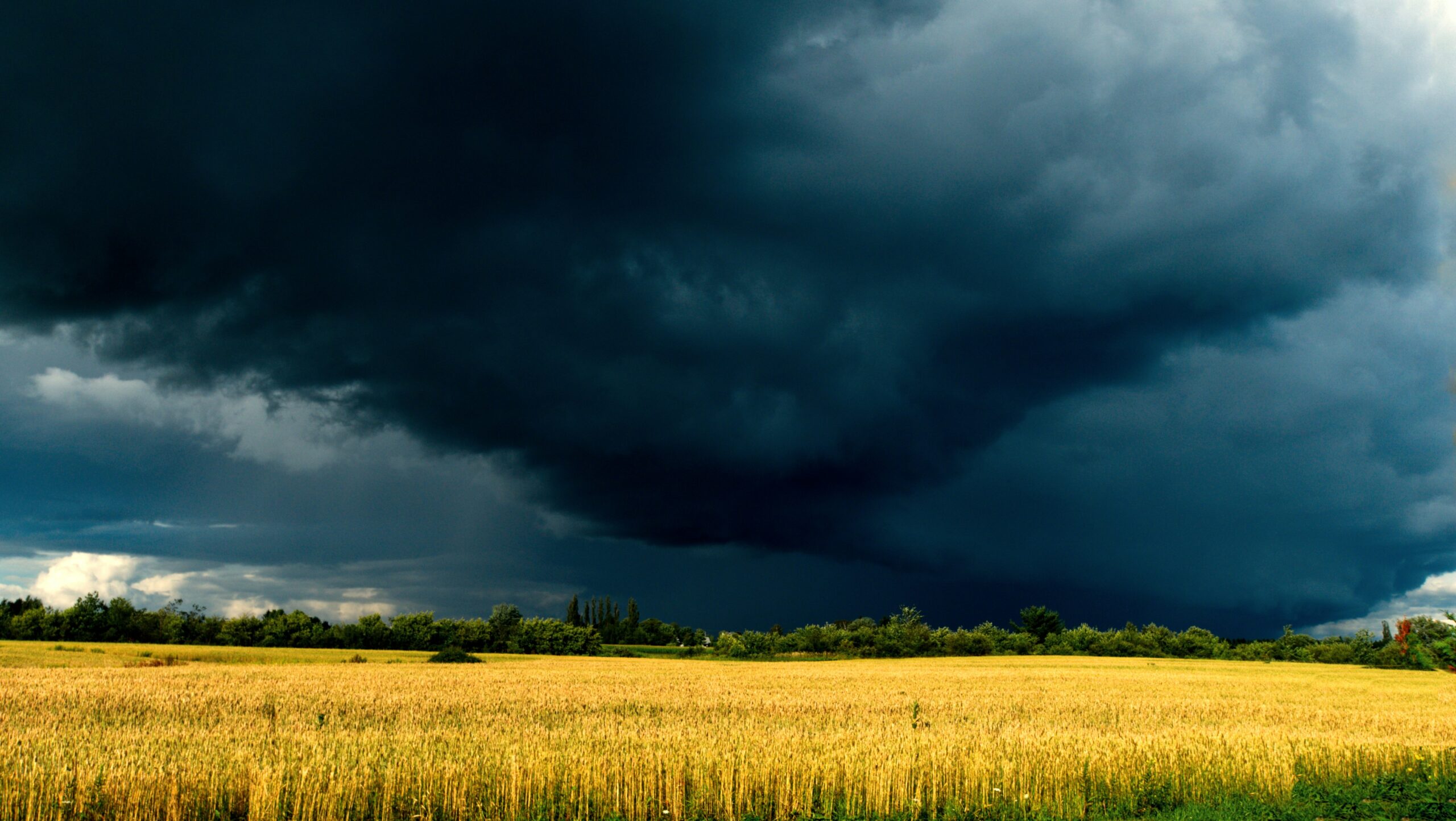
As leaders and financiers convened in the Amazonian city of Belem for COP30, the tone was unmistakably urgent: the era of promises is over, and the era of paying for survival has begun. With storms battering Southeast Asia and the Caribbean, and floodwaters still draining in Brazil, the question confronting delegates is no longer whether the climate crisis can be contained — but whether economies can afford to adapt.
A United Nations report has placed a stark figure on that challenge: developing countries will need $310 billion annually by 2035 just to protect their people and infrastructure from the worst climate impacts. Yet last year, global development banks contributed only $26 billion to climate adaptation efforts. Private capital accounted for barely 3% of total adaptation finance, leaving a gap too wide for philanthropy or rhetoric to bridge.
Ten of the world’s leading development banks issued a joint statement on Monday pledging to expand support for adaptation finance. “Lives, well-being, and jobs cannot be sustained where homes, schools, farms, and businesses are under threat,” the banks said. But the scale of the challenge has outgrown the institutional frameworks built for it. Even as financial institutions emphasize transparency and measurable outcomes, extreme weather is outpacing the speed of disbursement.
At the same time, new instruments are emerging. The Systematic Observations Financing Facility — a multi-partner fund backed by the U.N. Development Programme, the World Meteorological Organization, and the U.N. Environment Programme — plans to issue a $200 million “climate impact bond” by the end of 2026. Its goal: to close the weather data gap that leaves many developing countries blind to incoming disasters. “We were getting the sense that things are going to change significantly from an international perspective,” said the facility’s director, Markus Repnik.
Donor nations are also responding, albeit modestly. Germany and Spain jointly pledged $100 million to the Climate Investment Funds, which finances projects to strengthen infrastructure and community resilience in lower-income nations. “For the first time, adaptation is Day One and Day Two of the COP,” said CIF Chief Executive Tariye Gbadegesin — a symbolic but meaningful signal that resilience is no longer a secondary theme.
The numbers, however, remain sobering. In Vietnam, Typhoon Kalmaegi inflicted nearly $300 million in damage only weeks after Typhoon Bualoi caused another $436 million in losses. In Jamaica, the government’s preliminary estimate from Hurricane Melissa stands at $7 billion, roughly a third of its GDP. The Philippines continues to count fatalities and damages from Super Typhoon Fung-wong, which struck just days before COP30 opened.
Beyond storms, the adaptation agenda now includes heat mitigation, flood control, drought management, and wildfire prevention — a suite of priorities that stretch far beyond traditional climate finance models. Artificial intelligence systems for soil mapping, data-driven irrigation planning, and funding for public cooling centers are among the programs showcased in Belem.
U.N. Climate Chief Simon Stiell urged countries to adopt a unified system of indicators to track adaptation progress, emphasizing that measurement is key to scaling impact. “We now need to agree on the indicators that will help speed up implementation,” Stiell said. “Only then can adaptation finance move from promise to performance.”
Analysts say attracting private capital remains the biggest obstacle. Adaptation investments rarely deliver the same returns as clean energy or carbon markets, making them harder to package into commercial portfolios. A September report from the Zurich Climate Resilience Alliance projected that, even under favorable conditions, private financing would account for only 15% of total adaptation funding by the 2030s.
“Resilience doesn’t make headlines like innovation does,” said David Nicholson, Chief Climate Officer at Mercy Corps, one of the Alliance’s members. “But it’s what will determine whether societies endure or unravel.”
The stakes are both moral and monetary. With global damages from extreme weather expected to exceed $600 billion annually by 2030, the line between humanitarian need and financial necessity is fading fast.
At COP30, the language of climate action has evolved — no longer framed in degrees of warming, but in dollars required. Adaptation is now an investment. Resilience is now infrastructure. And for economies standing on the frontlines of a changing planet, survival is no longer a goal to aspire to — it’s a balance sheet to fund.